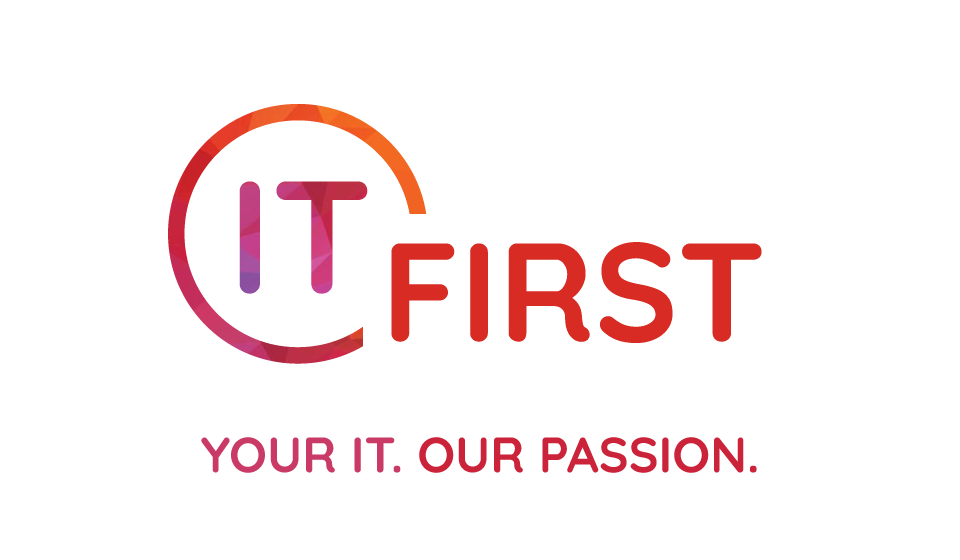
AI has become deeply embedded in the tech industry, shaping how software is built, content is created, and services are delivered. While this has increased efficiency, it has also raised concerns about over-reliance on automated systems.
One growing issue is the gradual erosion of core skills. When developers, writers, and analysts rely heavily on AI tools, they may become less practiced at critical thinking and problem-solving. Over time, this can lead to reduced expertise and a dependency on automation to complete tasks that once required human judgment.
There is also the risk of automation bias, where AI-generated outputs are trusted without sufficient scrutiny. In software development, this can introduce security vulnerabilities or inefficiencies if AI-generated code is not carefully reviewed. In content creation, it can result in repetitive or low-quality material that lacks originality.
Creativity and innovation are another concern. AI excels at recombining existing ideas, but it struggles to produce truly novel concepts. When organizations lean too heavily on AI, they risk creating products and strategies that feel generic and uninspired.
The tech industry’s challenge is not to avoid AI, but to use it responsibly. AI should support human expertise, not replace it. The most successful organizations will be those that balance automation with critical thinking, creativity, and human oversight.
This post was written by AI and reviewed for quality and accuracy by a real human.