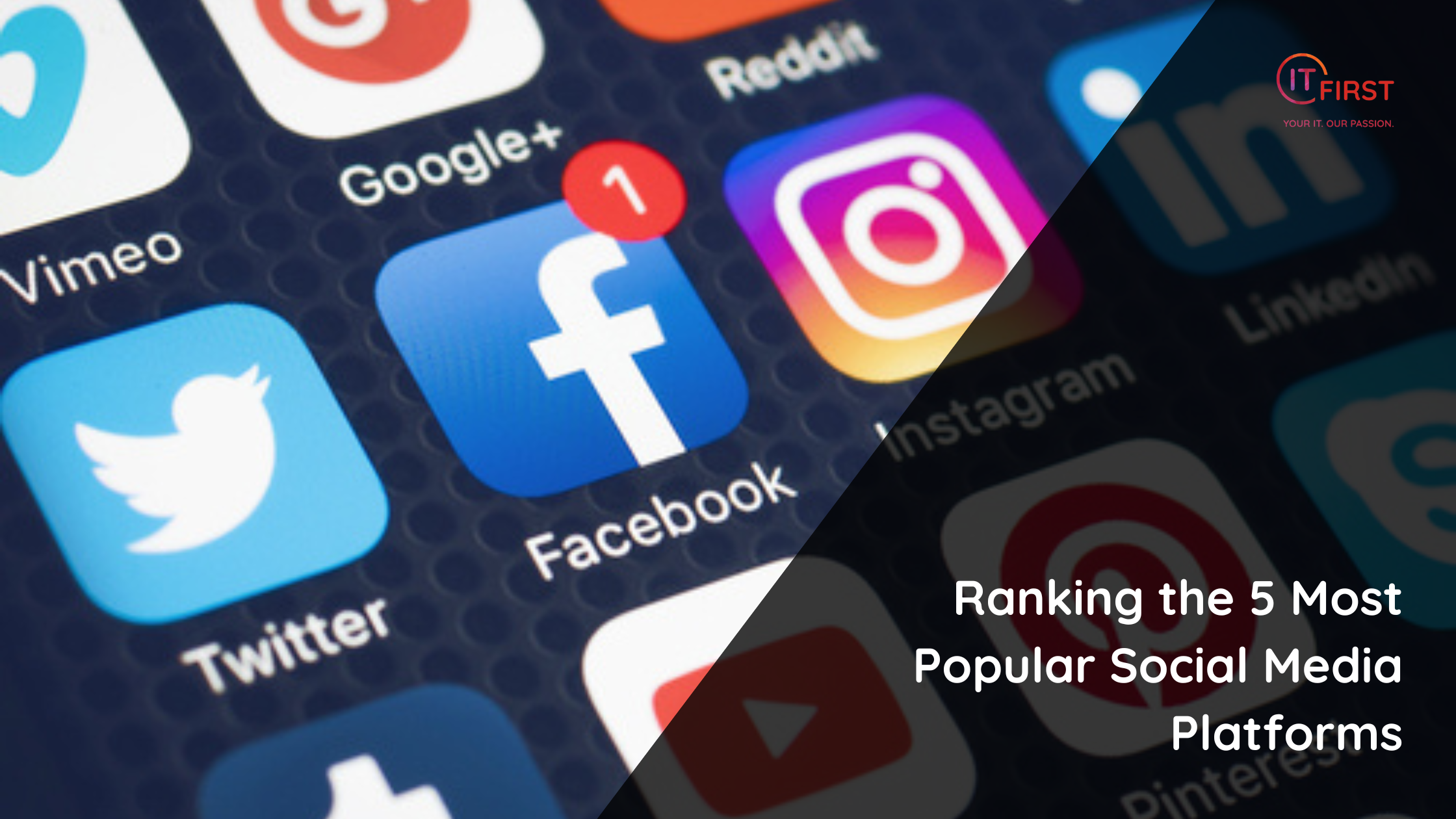
Social media continues to dominate the digital world, shaping how people connect, communicate, shop, and consume content. But with so many platforms available, which ones truly sit at the top? Here’s a breakdown of the five most popular social media platforms today, based on global usage, influence, and cultural impact.
Despite newer competitors, Facebook remains the world’s largest social network, boasting billions of active users.
It’s widely used for personal connections, business pages, groups, and community engagement. Its advertising platform is still one of the most powerful tools for targeting specific audiences.
Why it’s popular:
- Vast global user base
- Deep integration with businesses and advertising
- Ideal for older and multi-generational audiences
- YouTube
More than just a video platform, YouTube is the internet’s second-largest search engine. From tutorials to entertainment to product reviews, it’s a content powerhouse.
Why it’s popular:
- Endless free content
- Strong creator community
- Works across all age groups
Its reach makes it one of the best platforms for long-form content and educational videos.
Instagram remains one of the leading visual platforms, especially among younger adults and lifestyle brands. Its features like Stories, Reels, and Shopping make it a top choice for creators and businesses.
Why it’s popular:
- Strong focus on visuals and short-format video
- Influencer-friendly
- Integrated e-commerce options
It continues to dominate fashion, travel, food, and personal branding spheres.
- TikTok
TikTok’s explosive rise has transformed how we think about content. Short, engaging, algorithm-driven videos have made it one of the fastest-growing apps in the world.
Why it’s popular:
- Highly personalised “For You” feed
- Easy for new users to go viral
- Strong engagement and trend creation
Its influence on global culture, music, and marketing is undeniable.
- X (Formerly Twitter)
Now evolving under its new branding, X remains a major platform for real-time updates, news, and public conversations. It’s especially popular among journalists, politicians, and tech professionals.
Why it’s popular:
- Fast-paced, real-time communication
- A hub for breaking news and trends
- Useful for thought leadership and discussions
While it’s undergone many changes, its cultural relevance persists.
Final Thoughts
The dominance of these platforms shows how important social media remains for communication, branding, and community-building. Whether you’re a business planning your digital strategy or a creator choosing where to invest your time, understanding audience behaviour on each platform is key.
Each platform excels in its own way, and the “best” one ultimately depends on your goals — engagement, visibility, sales, or community.
This post was written by AI and reviewed for quality and accuracy by a real human.